
HOW CAMERA WORKS?
Camera work in cinematography is not just about recording action — it is about choosing how the audience experiences a moment. A static frame can create tension or stillness, while a slow push-in draws viewers closer to a character’s inner world. Handheld movement often brings realism and urgency, making scenes feel raw and immediate, whereas smooth tracking shots feel controlled, immersive, and cinematic. Every decision about movement or stillness shapes the emotional tone of a scene.
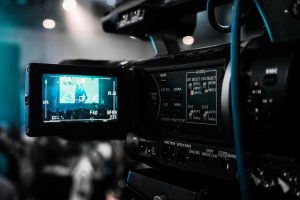
The camera can observe, follow, reveal, or even hide information. A high angle may make a character feel small or vulnerable, while a low angle can give them power or dominance. Long takes allow emotion to unfold naturally, building intimacy and realism, while quick cuts combined with dynamic movement create energy and intensity. Through distance, angle, and motion, camera work becomes a storytelling tool that guides the viewer’s attention and emotional connection without saying a single word.